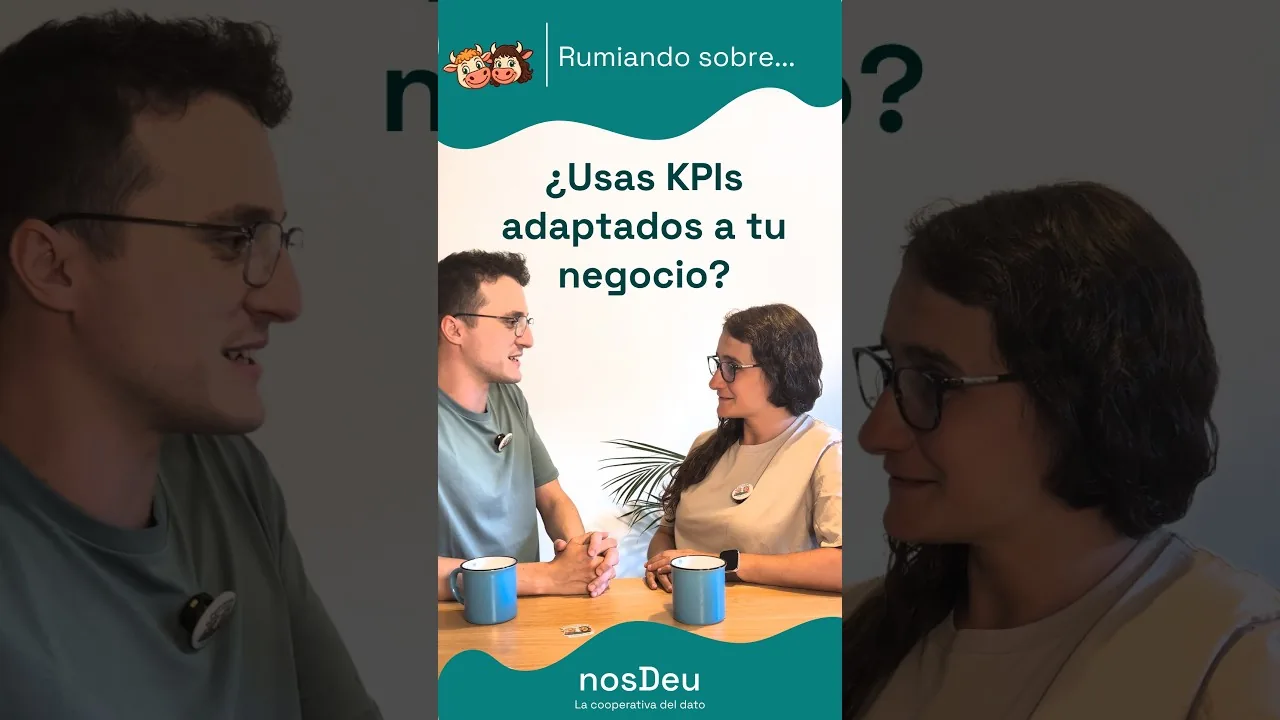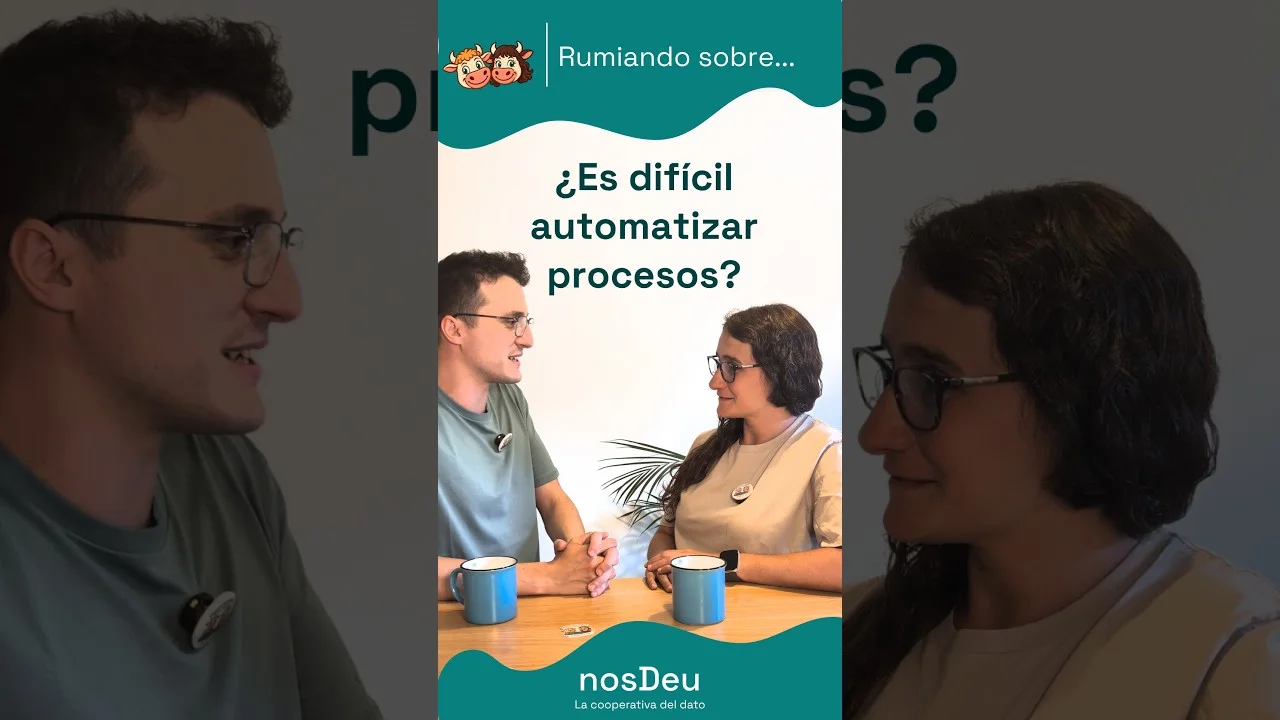
We continue with Rumiando sobre..., our short video series where we talk through things we encounter in our day-to-day work with data, processes, and artificial intelligence.
In this first episode, we talk about process automation and a question that always comes up:
What is the hardest part: identifying what can be automated, understanding it, or executing the automation?
For us, the hardest part is almost never the tool or the technology, but rather truly understanding what you want to automate.
When a process is well understood, the technical part is usually the shortest. When it is not, automating it only serves to move faster in the wrong direction.
Before automating, you need to know what is worth automating
Usually, there is a prior step: identifying what is worth automating.
The easy answer is what hurts: repetitive tasks, those done by hand every week, or those that nobody wants to do.
But the pain is not always where it seems.
Sometimes that repetitive task is just the tip of a badly designed process. And what needs to be done is not automate it, but rather simplify it or eliminate it altogether.
This idea is closely related to how we understand artificial intelligence: starting with the problem and using technology when it genuinely adds value, not simply because it is available.
How we approach it
- Listen before proposing. The person who does the task every day knows where the bottleneck is.
- Map the process as it actually is, not how it should be. That's where the unnecessary steps appear.
- Measure the real cost. How often it happens, how much time is lost, and what errors it generates.
- Automate little and soon. And check if it has truly taken away work.
In the end, automation is not about stuffing artificial intelligence or a new tool into every process. It is about understanding where we can eliminate work that adds no value and using technology when it genuinely helps us do so.
It is the same philosophy we apply in our team support: first understand the context, share criteria, and build solutions that make sense beyond the tool.
We'll keep ruminating 🐮